Panic (or not)
Spoiler: panic sells.

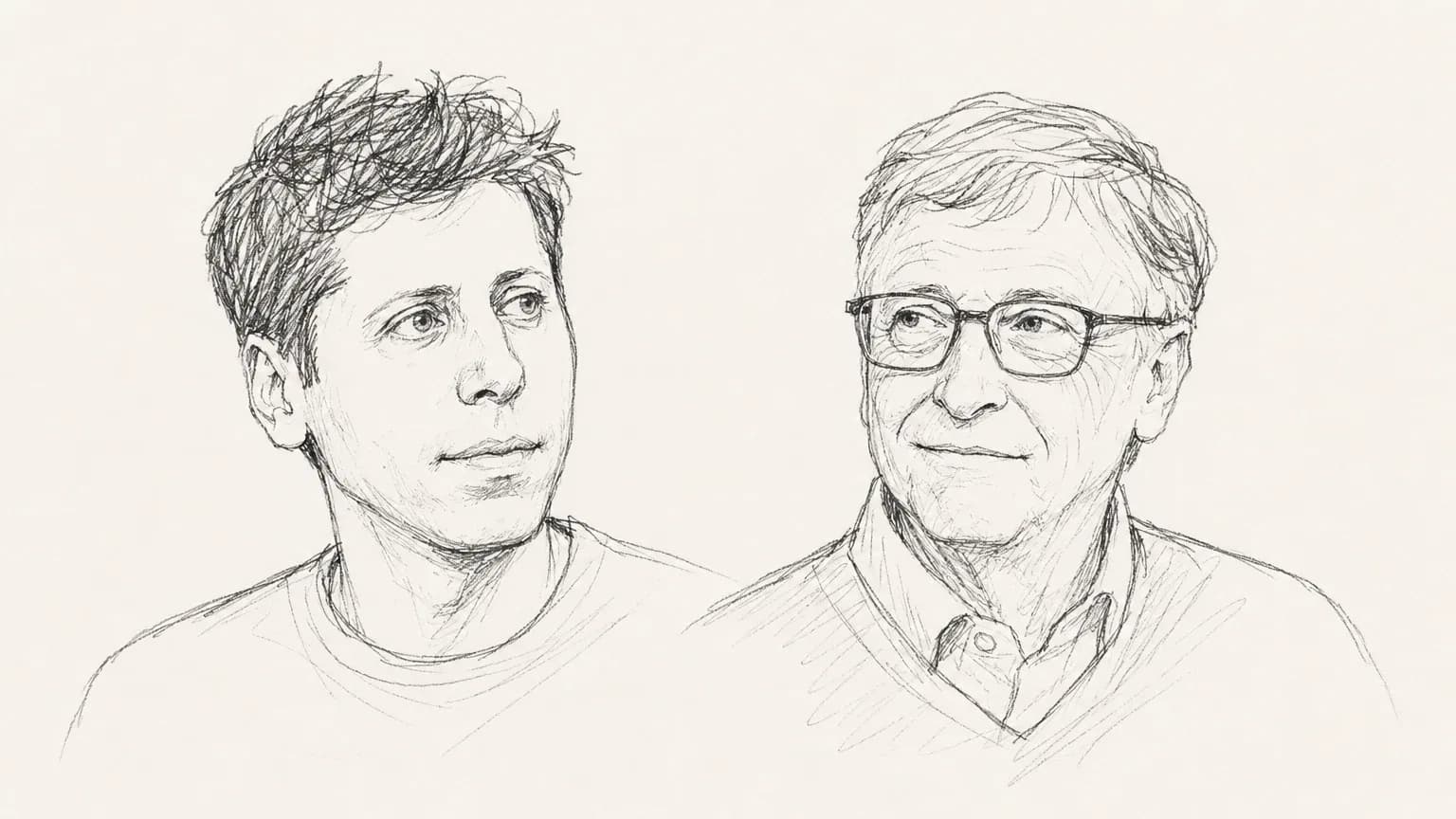
This week, Bill Gates and Sam Altman both made headlines for their worried comments about AI. Gates co-founded Microsoft and chairs the Gates Foundation; Altman co-founded and runs OpenAI. If you read only the headlines, you'd think something bad had happened (or is about to).
Well: panic sells.
Neither said AI is about to destroy civilization. Both made much narrower arguments, and the narrow versions are more interesting.
What did Sam Altman actually say?
On Thursday, Altman posted a message with an urgent tone about cybersecurity:
"this is a critically important moment for cyber defense with AI; there is not much time to act."
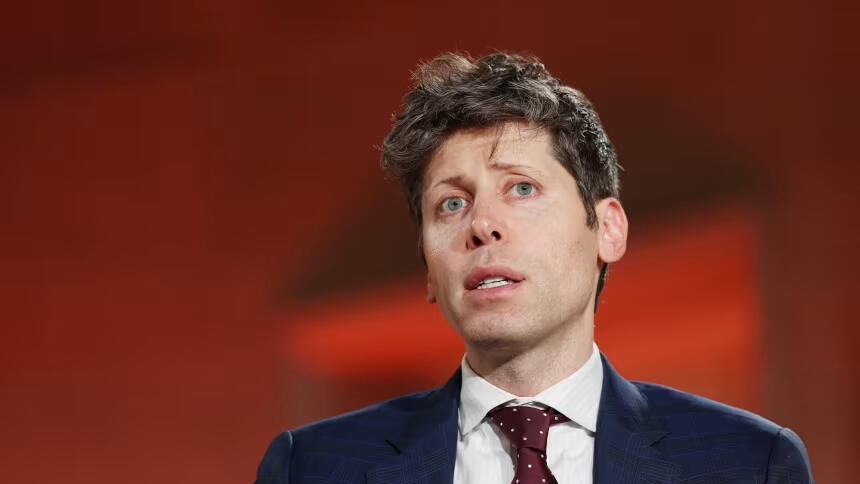
Out of context it sounds like a countdown. What he was really doing was promoting a new cyber-defense coalition backed by more than 100 companies, including Google, Microsoft and Amazon.1
The argument: the same models that help a security researcher find vulnerabilities help an attacker find them too, so defenses need strengthening before that gets cheap and commonplace. Altman is basically saying AI is changing the economics of cybercrime, quickly. Still serious, but a much more "ordinary" kind of serious.
And Bill Gates?
Gates is worried about something else.
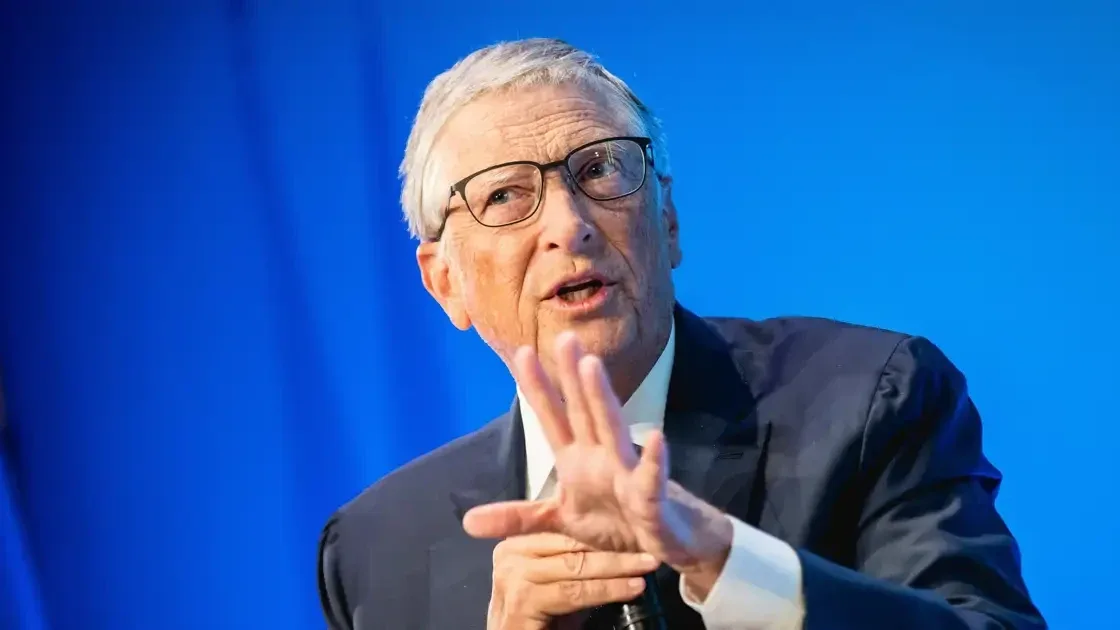
For decades, the answer to "fear of technological unemployment" has been that "we've seen this before": farm machinery, factories, computers, and even so, new occupations appeared.
Gates is no longer convinced.2 In a multi-page essay published this week, he warned that "many jobs will disappear forever", and argued that governments are not preparing.3 Previous waves of automation replaced forms of labor while leaving something scarce and human behind: our ability to think. AI competes with that too.
His essay is not a statement against AI; he stays optimistic about healthcare, education, and research. He says enormous opportunity and enormous disruption coexist. And I think he's right.
The reason to pay attention
Panic isn't the right response. Close attention is, because this technology is already changing how we work, how we learn, and how we think.
Earlier this year, Brown University economics professor Roberto Serrano did something he hadn't done in the two decades he has been teaching his course: he sent out a take-home midterm. The average was 96%. Historically, midterms in that course had run between 65% and 80%, and this time he had deliberately made it harder.
He and his staff got suspicious. Running the exam through ChatGPT produced answers that closely resembled the unusual approaches taken by many students.4 Because of that, Serrano moved the final back to an in-person format. Eighteen students dropped the course, and nine more didn't show up. The average on that final exam was 48.6%, the lowest he had ever recorded.5
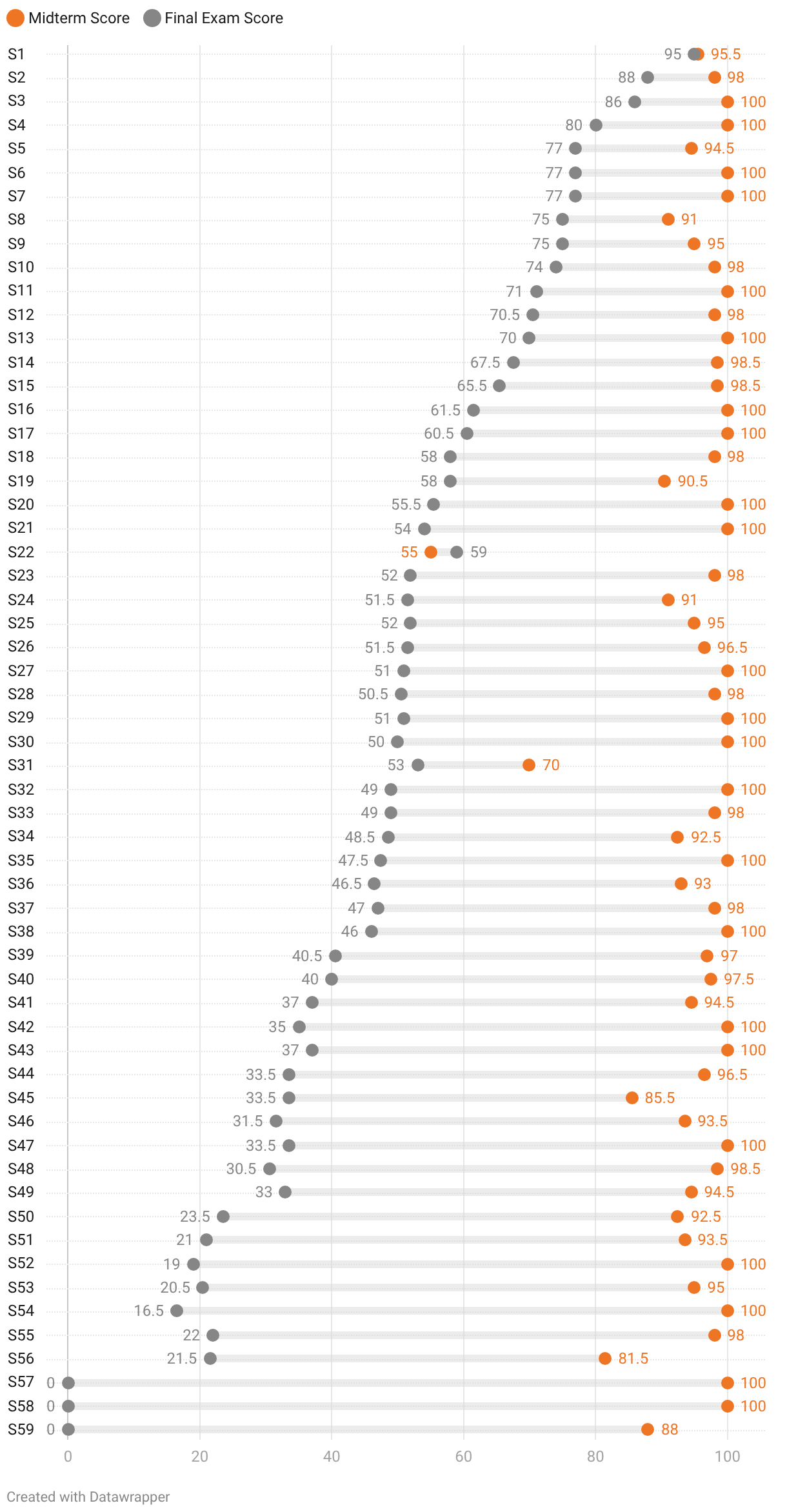
This was not a controlled experiment: different exams, and no proof any individual student used AI. What it does show, brutally, is the problem educators are stuck with. When AI can do the assessed task, a high grade stops being evidence that learning happened. I have experienced this personally, and trust me: nobody has any idea what to do about it.
My bigger concern
What worries me most about AI is duller than "rebellious robots" or mass unemployment: it's that we stop exercising abilities once delegating them stops costing any effort. Writing an email, summarizing an article, remembering a fact, deciding what we actually think.
There is a lot of talk about a society-wide "cognitive atrophy"; I don't think we have the evidence yet, but it is still what worries me most. I use AI constantly, and I can't stop asking myself whether I'm using it to extend my thinking or to avoid it.
Clinicians have also published case reports of chatbots reinforcing delusional beliefs in vulnerable users. The evidence is thinner, but worth watching.6
The opportunity is real
None of this makes me pessimistic. The same technology capable of "short-circuiting" education can also hand it to people who never had any: a tutor that explains one idea ten ways, adapts to one student and never runs out of hours. At work it absorbs the documentation and data entry nobody will mourn; in healthcare it spreads knowledge that is still scarce.
Don't outsource the thinking
We can recognize that this is an extraordinarily powerful technology without treating every warning as "we're about to turn into Terminator", and we can also name the real harms without pretending they erase the benefits.
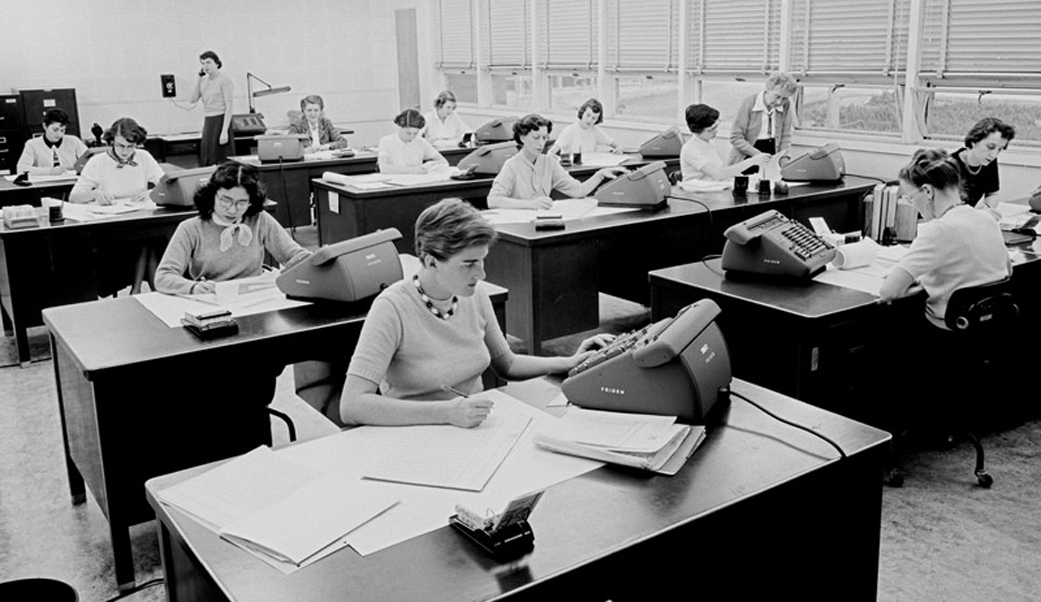
So: automate the work nobody should waste their time on, and let it help you teach and create. And think twice before you outsource the thinking itself.
Footnotes
-
Reuters, "Major tech companies call for defensive surge to defeat AI-driven hacks", August 27, 2026.
-
Or he's tanking the AI race while Microsoft sits painfully behind. Just kidding.
-
Financial Times, "Bill Gates calls for 'human reserved' jobs to protect labour force from AI", August 26, 2026. See also Gates's essay, "The turbulent AI era is here. The choices we make now are critical".
-
Which is the best anyone can do, because AI detectors don't work: OpenAI killed its own classifier six months after launch for poor accuracy. Watermarking is more promising, since it marks output at generation instead of guessing afterwards. Google DeepMind's SynthID does this, and I want to write about it properly.
-
Emma Whitford, Inside Higher Ed, "Brown Professor Suspects Majority of His Class Used AI to Cheat", July 8, 2026.
-
BMC Psychiatry, "A case of first-episode psychosis following intensive engagement with an AI chatbot", 2026.